Exploring the World of a Certified Property Appraiser
Delving into the realm of certified property appraisers unveils a world of intricacies and expertise that are crucial in the real estate industry. From defining their roles to highlighting the essential skills needed, this discussion aims to shed light on the significance of certification in property appraisal.
As we journey through the different types of certifications, skills required, and ethical standards upheld by certified property appraisers, a comprehensive understanding of this profession will be unraveled.
What is a certified property appraiser?

Certified property appraisers are professionals responsible for determining the value of real estate properties. Their evaluations are crucial in various real estate transactions, such as buying, selling, or refinancing properties. These experts provide unbiased and accurate assessments based on thorough analysis and market research.
Role and Responsibilities
Certified property appraisers inspect properties, collect data, analyze market trends, and use their expertise to determine the fair market value of a property. They prepare detailed reports outlining their findings and provide their clients with valuable insights regarding the property's worth.
Importance of Certification
Certification is essential in property appraisal as it signifies that the appraiser has met specific education and experience requirements set by regulatory bodies. Certified appraisers are held to high professional standards, ensuring the accuracy and integrity of their evaluations. Clients can trust that certified property appraisers have the necessary skills and knowledge to provide reliable valuation services.
Qualifications for Certification
To become a certified property appraiser, individuals must complete relevant coursework, gain practical experience under a supervising appraiser, and pass a state-administered exam. Additionally, appraisers need to adhere to continuing education requirements to maintain their certification and stay updated on industry standards and best practices.
Types of certifications for property appraisers

Certified property appraisers can obtain various certifications to enhance their skills and credibility in the field. These certifications are offered by reputable organizations and come with specific requirements and benefits.
1. Certified Residential Appraiser (CRA)
- The CRA certification is designed for professionals who specialize in appraising residential properties.
- Requirements typically include completing specific education hours, passing an exam, and gaining relevant work experience.
- Benefits of this certification include increased marketability, higher earning potential, and the ability to appraise a wider range of residential properties.
2. Certified General Appraiser (CGA)
- The CGA certification is geared towards professionals appraising commercial properties, industrial properties, and other complex real estate.
- Similar to the CRA, requirements include education, exam passage, and work experience, but focused on commercial properties.
- Benefits of becoming a CGA include access to more lucrative appraisal assignments, broader expertise, and professional recognition in the commercial real estate sector.
3. Licensed Residential Appraiser
- This certification is for individuals appraising residential properties but on a smaller scale compared to the CRA.
- Less stringent requirements in terms of education and experience are needed compared to the CRA certification.
- Licensed Residential Appraisers can assess single-family homes, condos, and small residential properties.
4. American Society of Appraisers (ASA) Certification
- The ASA offers certifications for property appraisers in various specialties such as real property, personal property, and gems & jewelry.
- Each certification has its own set of requirements and benefits tailored to the specific area of expertise.
- ASA certified appraisers are recognized for their high standards and expertise in appraisal practice.
Skills and Expertise Needed

To excel as a certified property appraiser, one must possess a unique set of skills and expertise that are essential in accurately evaluating the value of properties. Attention to detail and strong communication skills are key components in this profession.
Importance of Attention to Detail
Attention to detail is crucial in property appraisal as it involves carefully examining every aspect of a property to determine its value accurately. From the condition of the property to its location and amenities, every detail plays a significant role in the appraisal process.
Communication Skills in the Appraisal Process
Effective communication skills are vital for property appraisers to interact with clients, explain appraisal reports, and negotiate with stakeholders. Clear and concise communication ensures that all parties involved have a thorough understanding of the appraisal process and the factors influencing property value.
Ethics and standards in property appraisal
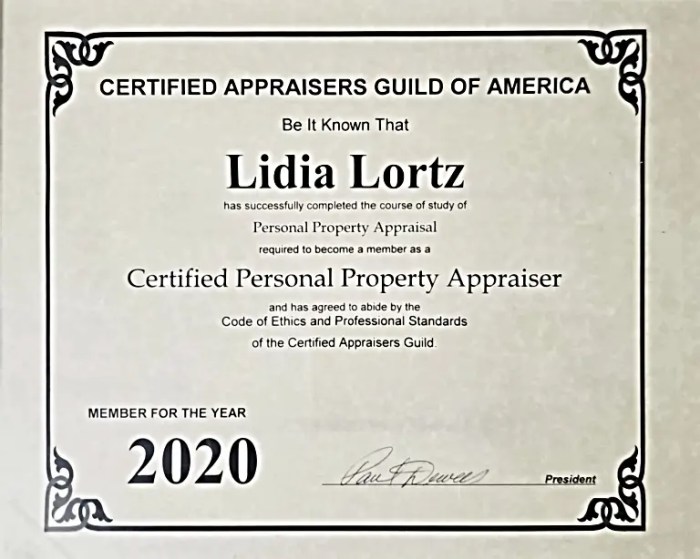
As certified property appraisers, it is crucial to uphold ethical guidelines and adhere to industry standards to maintain integrity and trust in the appraisal process. Ethical conduct not only protects the interests of clients and the public but also ensures professionalism within the appraisal profession.
Ethical Guidelines for Certified Property Appraisers
- Objectivity and Impartiality: Property appraisers must remain unbiased and objective in their assessments, avoiding any conflicts of interest that could compromise the accuracy of their valuation.
- Confidentiality: Appraisers are entrusted with sensitive information about properties and clients, and must maintain confidentiality to protect the privacy of individuals involved.
- Transparency: Appraisers should clearly communicate their methodologies, findings, and any limitations in their assessments to clients, ensuring transparency in the appraisal process.
Significance of Following Industry Standards
Adhering to industry standards in property appraisal is essential for maintaining consistency, reliability, and credibility in the valuation of properties. By following established guidelines and best practices, certified property appraisers can ensure the accuracy of their assessments and uphold the trust of clients and stakeholders.
Examples of Ethical Dilemmas
-
Conflict of Interest:
An appraiser is asked to assess a property owned by a close friend or family member, creating a conflict between personal relationships and professional obligations. To address this dilemma, the appraiser should recuse themselves from the assignment or disclose the relationship to all parties involved.
-
Pressure to Inflate Valuations:
A client requests an inflated valuation to secure a higher loan amount or sale price. In such cases, the appraiser must resist external pressures and provide an accurate and unbiased assessment based on market data and professional judgment.
-
Undisclosed Property Defects:
Discovering undisclosed defects or issues with a property during the appraisal process raises ethical concerns about transparency and disclosure. Appraisers should report any significant defects to clients and stakeholders, even if it may impact the property's valuation.
Conclusive Thoughts

In conclusion, the realm of certified property appraisers is a multifaceted domain that requires a blend of precision, communication skills, and ethical integrity. By adhering to industry standards and continuously honing their expertise, these professionals play a pivotal role in ensuring fair and accurate property valuations.
Essential FAQs
What qualifications are needed to become a certified property appraiser?
To become a certified property appraiser, one typically needs to complete relevant education, gain practical experience hours, and pass a certification exam.
How important is attention to detail in property appraisal?
Attention to detail is crucial in property appraisal as even minor discrepancies can significantly impact the valuation process and final estimation.
What ethical guidelines must certified property appraisers follow?
Certified property appraisers are required to adhere to strict ethical guidelines such as ensuring impartiality, disclosing any conflicts of interest, and maintaining confidentiality.
Are there different certification programs available for property appraisers?
Yes, there are various certification programs offered by reputable organizations that cater to different specializations within property appraisal, providing options for aspiring appraisers to choose from.
How do communication skills factor into the appraisal process?
Communication skills are essential for certified property appraisers to effectively convey their findings, negotiate with clients, and maintain professional relationships within the industry.